RARE Hope + NIH Science Meeting Brings Global Experts Together to Advance Shared Pathways in Neurological Disease
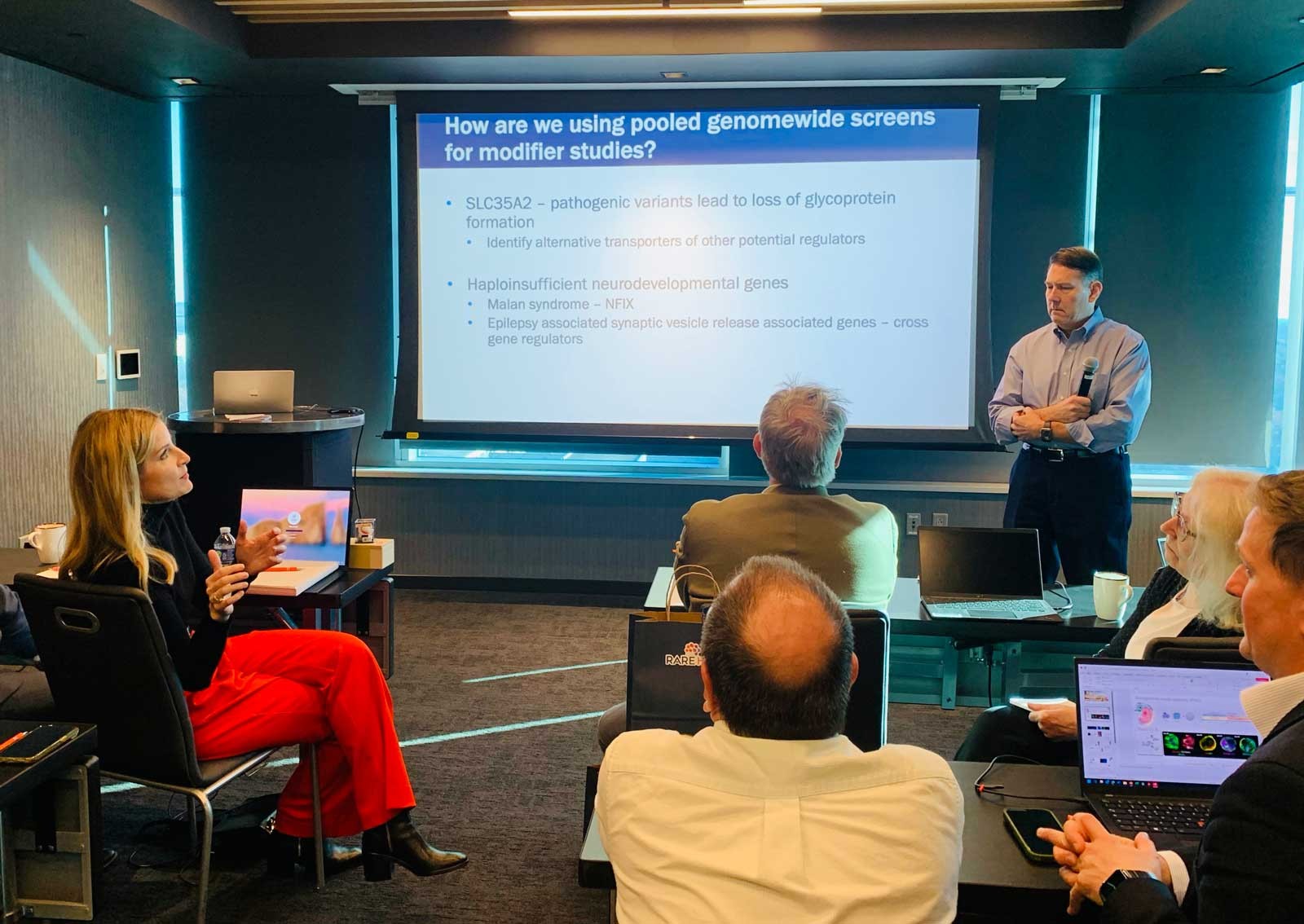
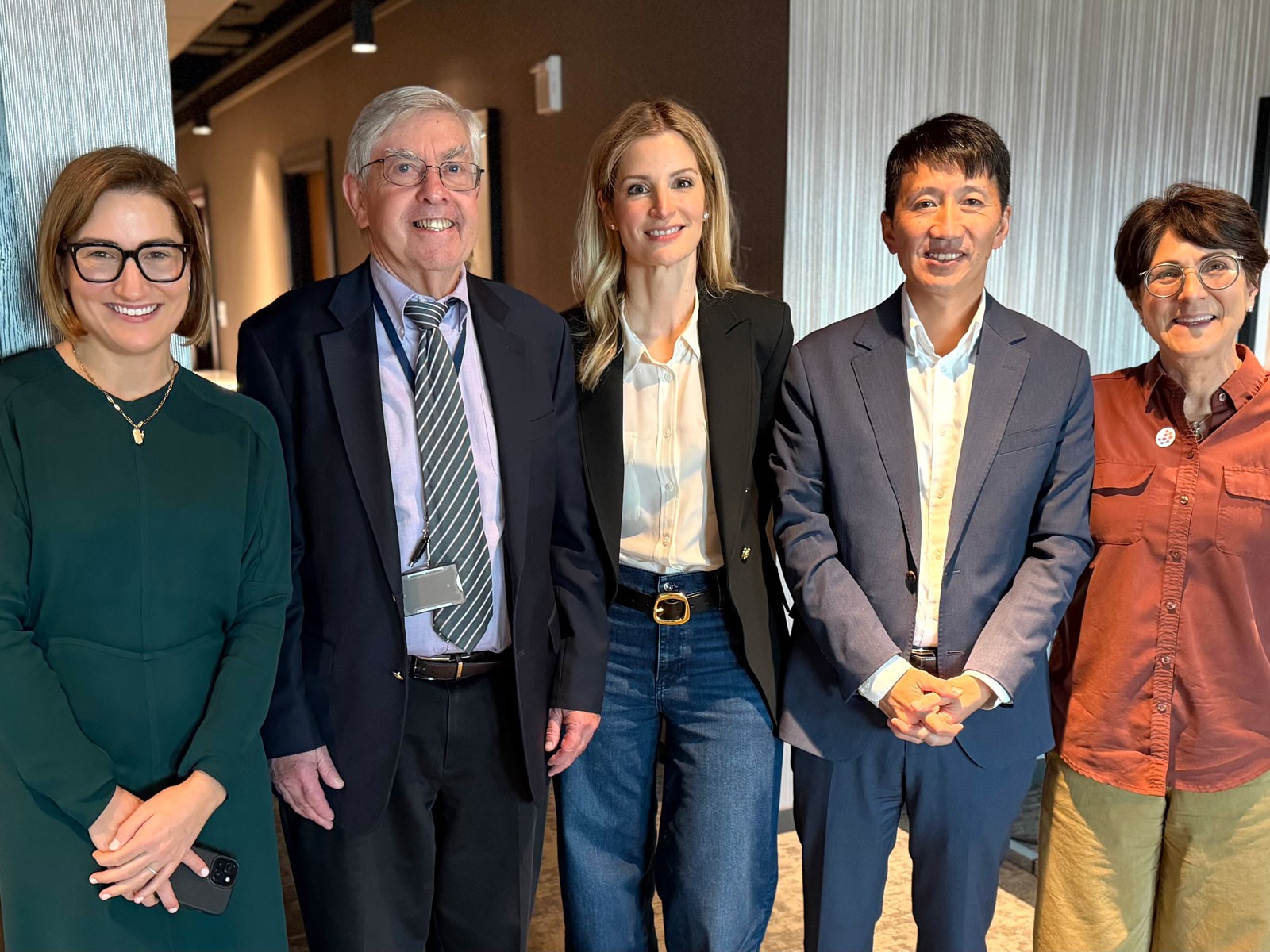
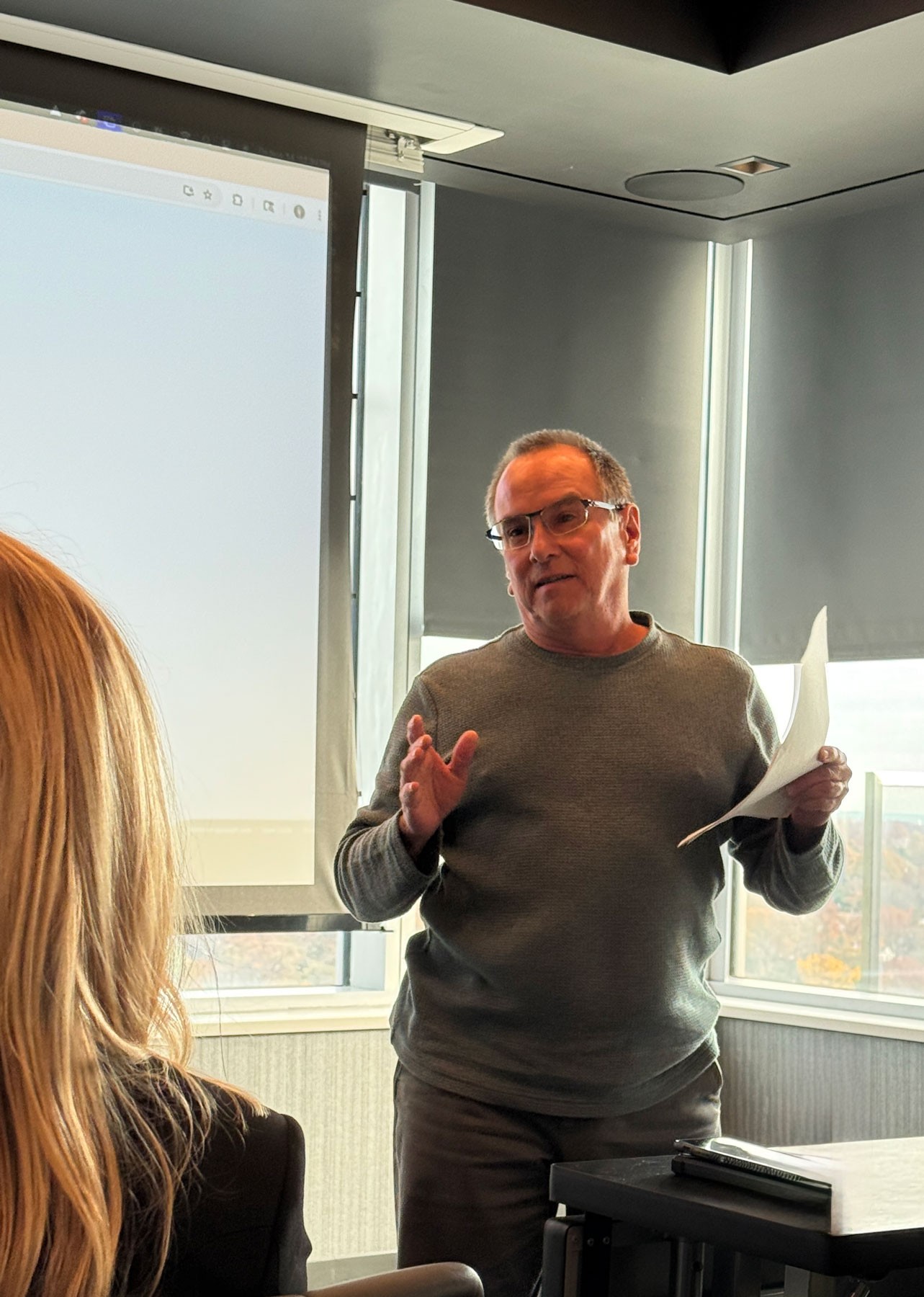
From November 12–15, more than 30 leading scientists and clinicians from across the United States, Europe, and Japan gathered in Bethesda for the RARE Hope + NIH Science Meeting — a multi-day, collaborative effort focused on advancing both research in Alternating Hemiplegia of Childhood (AHC) and adjacent neurological disorders.
Originally scheduled to take place on the NIH campus, the meeting was moved to conference space in Bethesda, where National Institutes of Neurological Disorders and Stroke (NINDS) Director Dr. Walter Koroshetz joined participants.
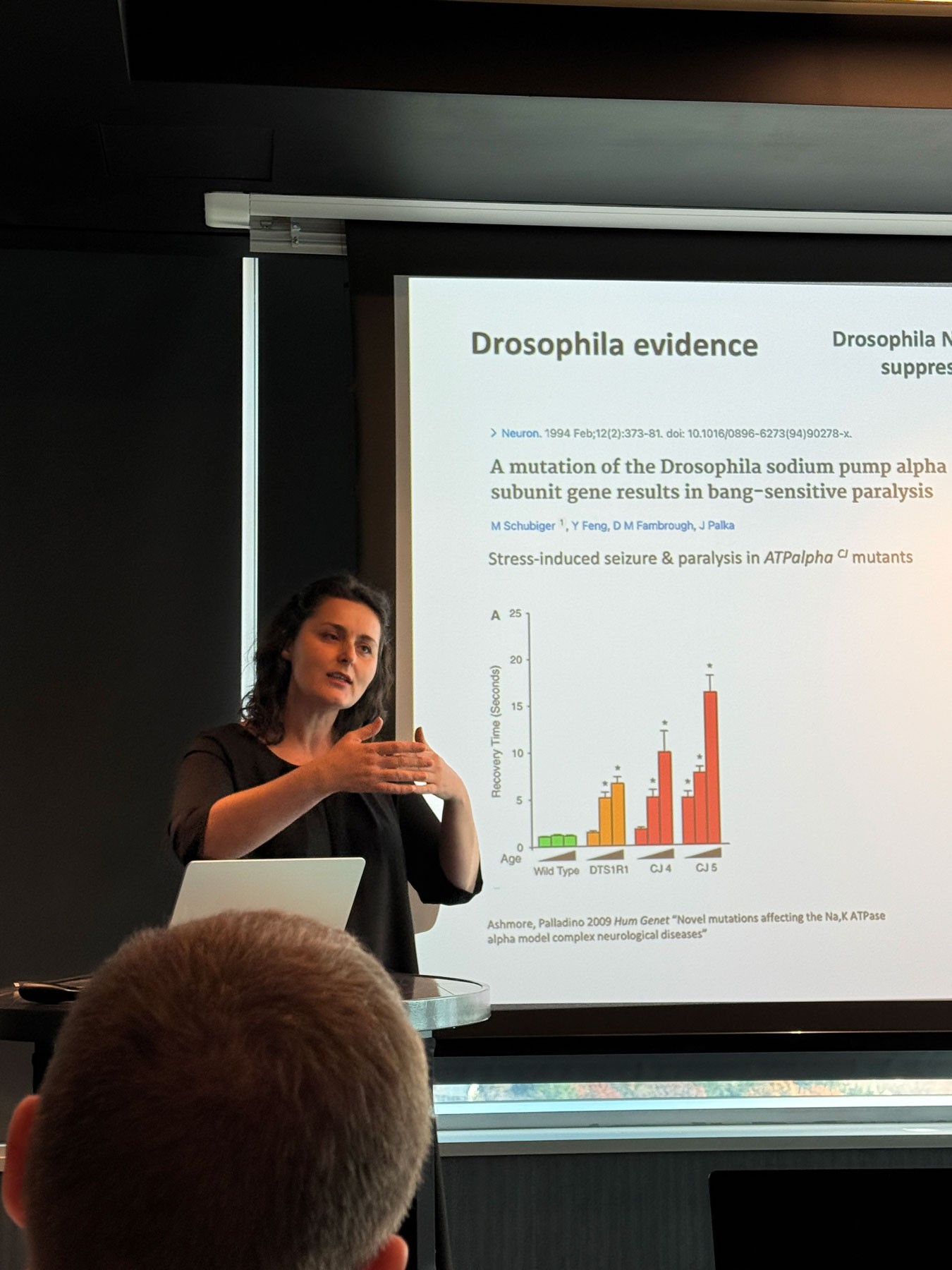
The meeting centered on mechanisms and pathways recognized as relevant not only to AHC, but to a broader set of neurological conditions, and on practical clinical trial readiness considerations. Discussions focused on blood–brain barrier function, spreading depolarization, ATPase pump dysfunction, circuit-level instability, and multi-omic signatures — areas of biology that intersect with migraine, epilepsy, dystonia, movement disorders, and other episodic or paroxysmal conditions. With this cross-disorder relevance as a guiding principle, the meeting convened investigators whose work in these domains informs shared mechanistic understanding.
The first full day of scientific sessions examined the assays and model systems that could form a coherent drug-screening pipeline for ATP1A3-related disorders. Participants compared in vitro, ex vivo, and in vivo platforms; discussed the sequencing of assays; and evaluated trial structures suited to heterogeneous, episodic conditions.
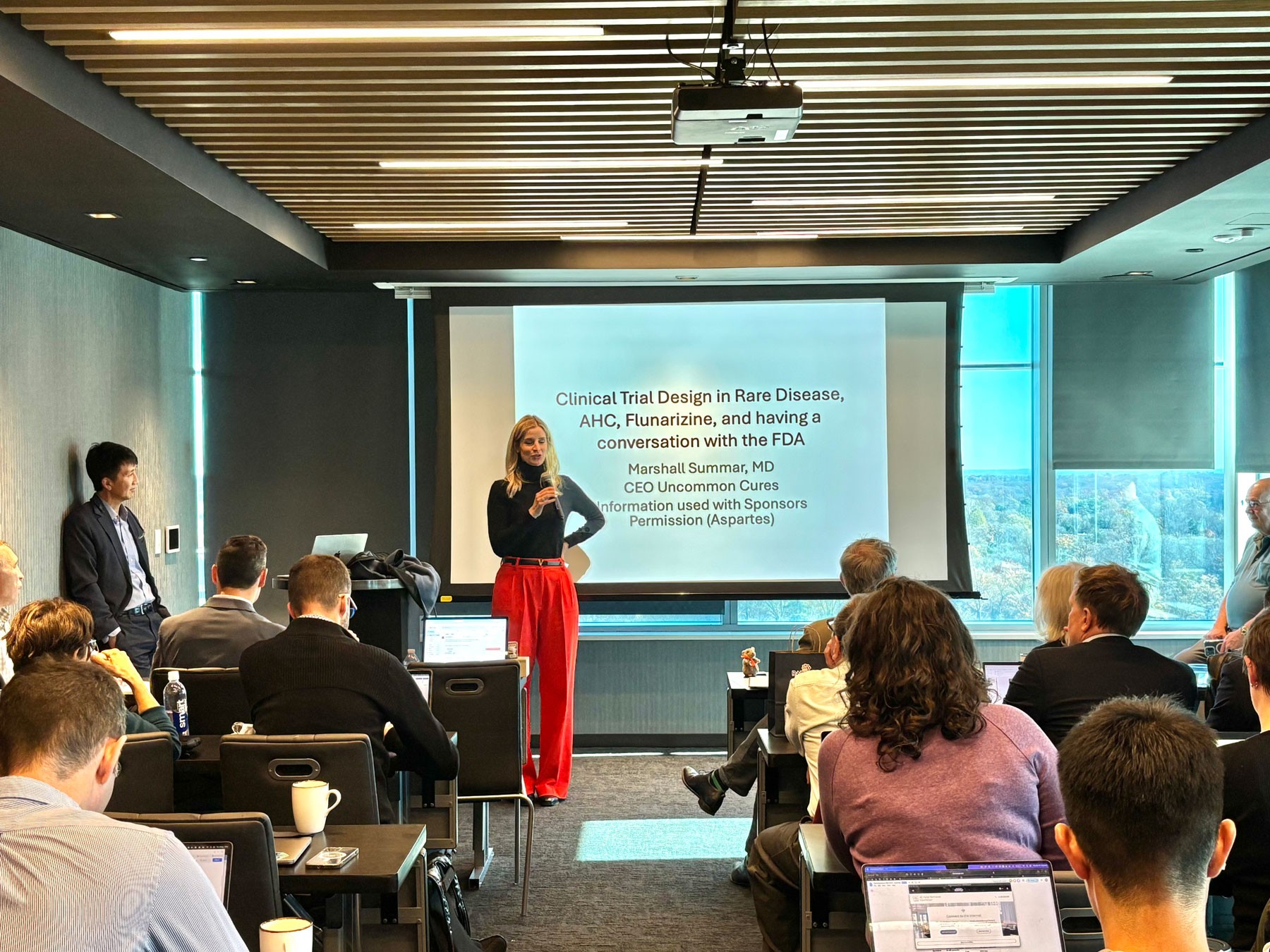
Anticipating clinical trial requirements was another key component of the discussions. “As we move closer to clinical trials, our collective attention to the details and timelines that require tight integration becomes paramount to our success,” said Dr. Cat Lutz, Vice President of the Rare Disease Translational Center at The Jackson Laboratory and a longtime partner with RARE Hope. “It is essential that we evaluate next steps critically and plan carefully for the future of our patient community.” Patient-derived data on symptom patterns and variability were reviewed to refine inclusion criteria and endpoint selection. Trial-design expert Dr. Marshall Summar underscored the importance of establishing reproducible measures and trial infrastructure early in the development process.
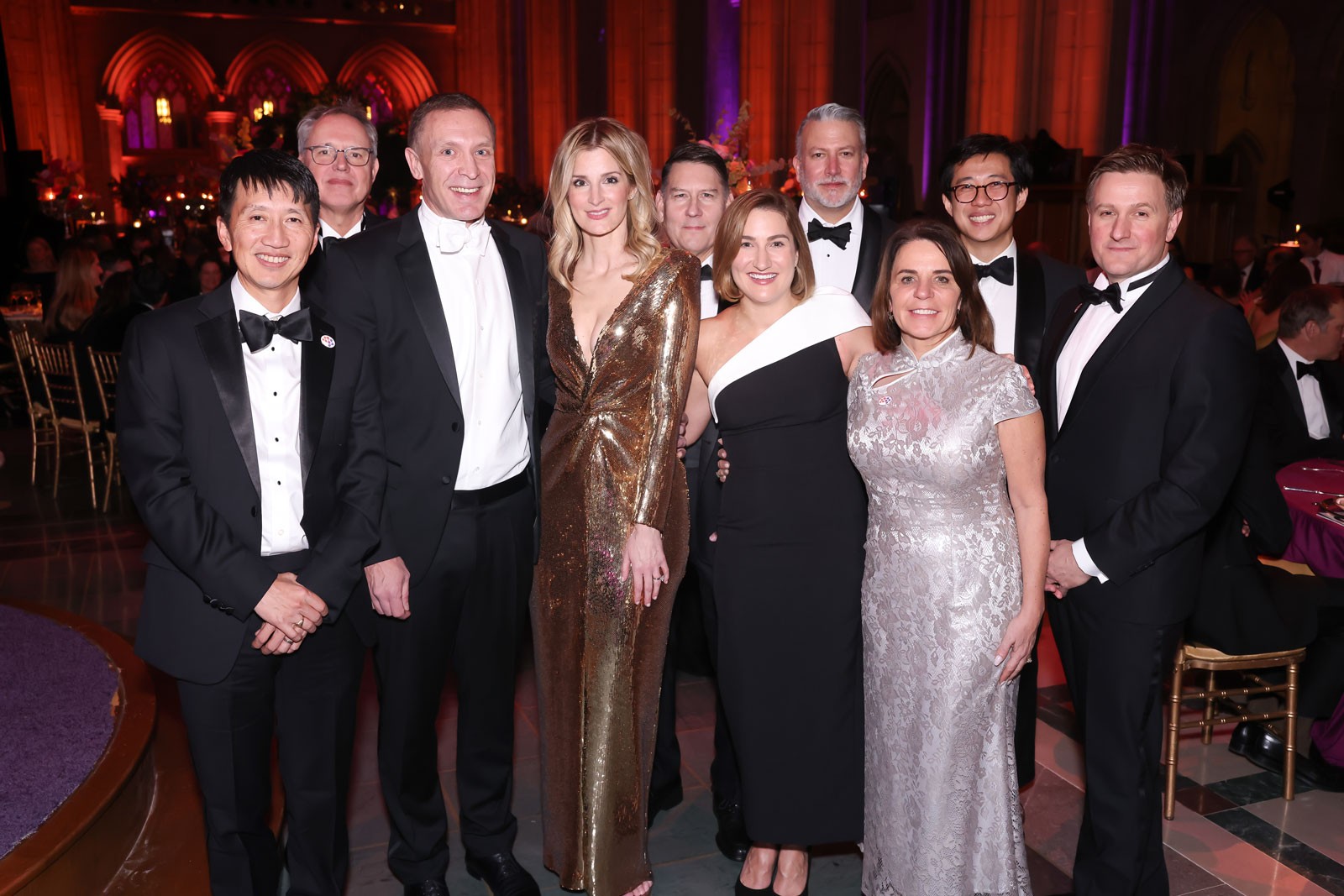
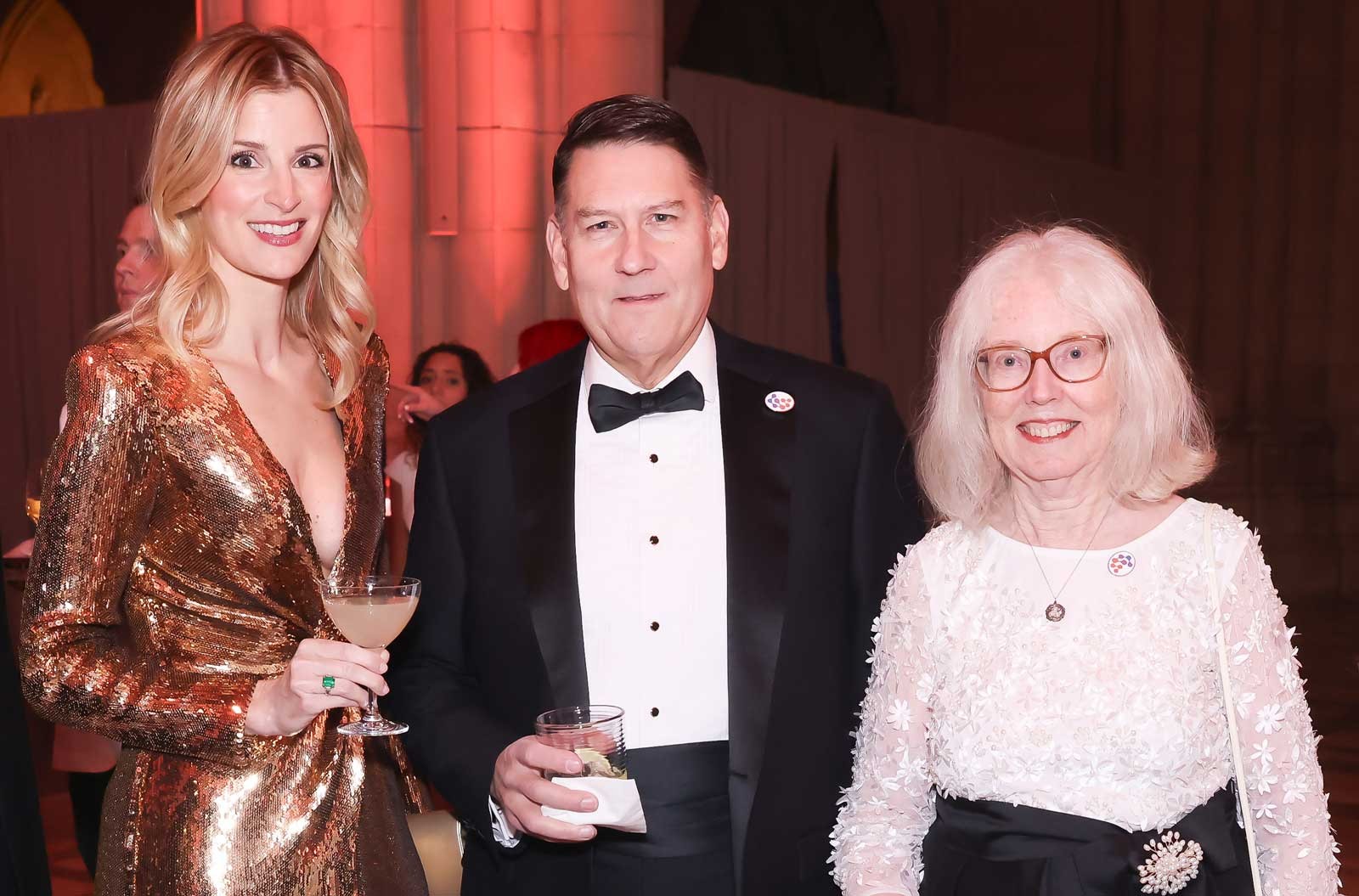
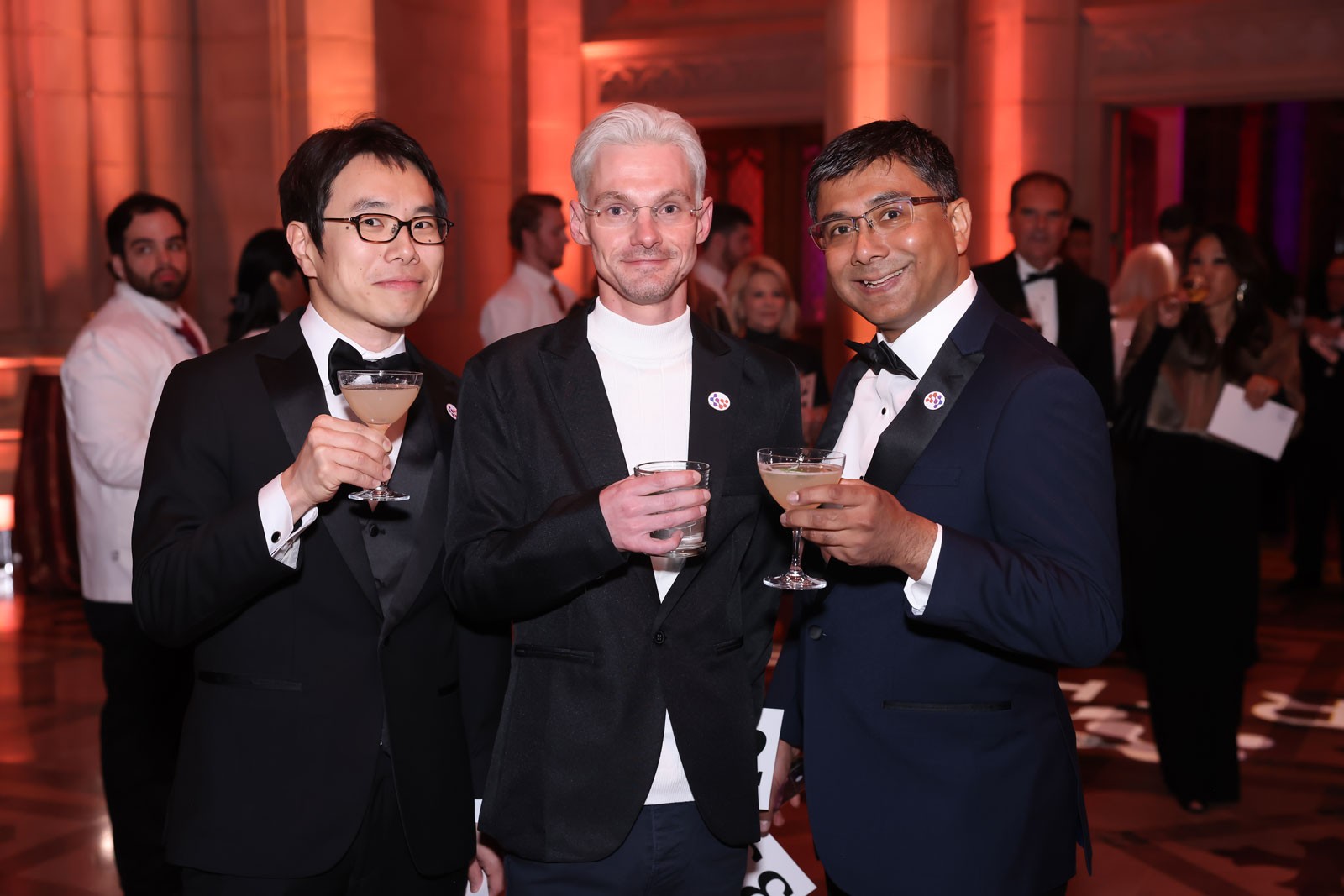
On the evening of November 13, participants attended RARE Hope’s black-tie gala at the Washington National Cathedral before reconvening the next morning.
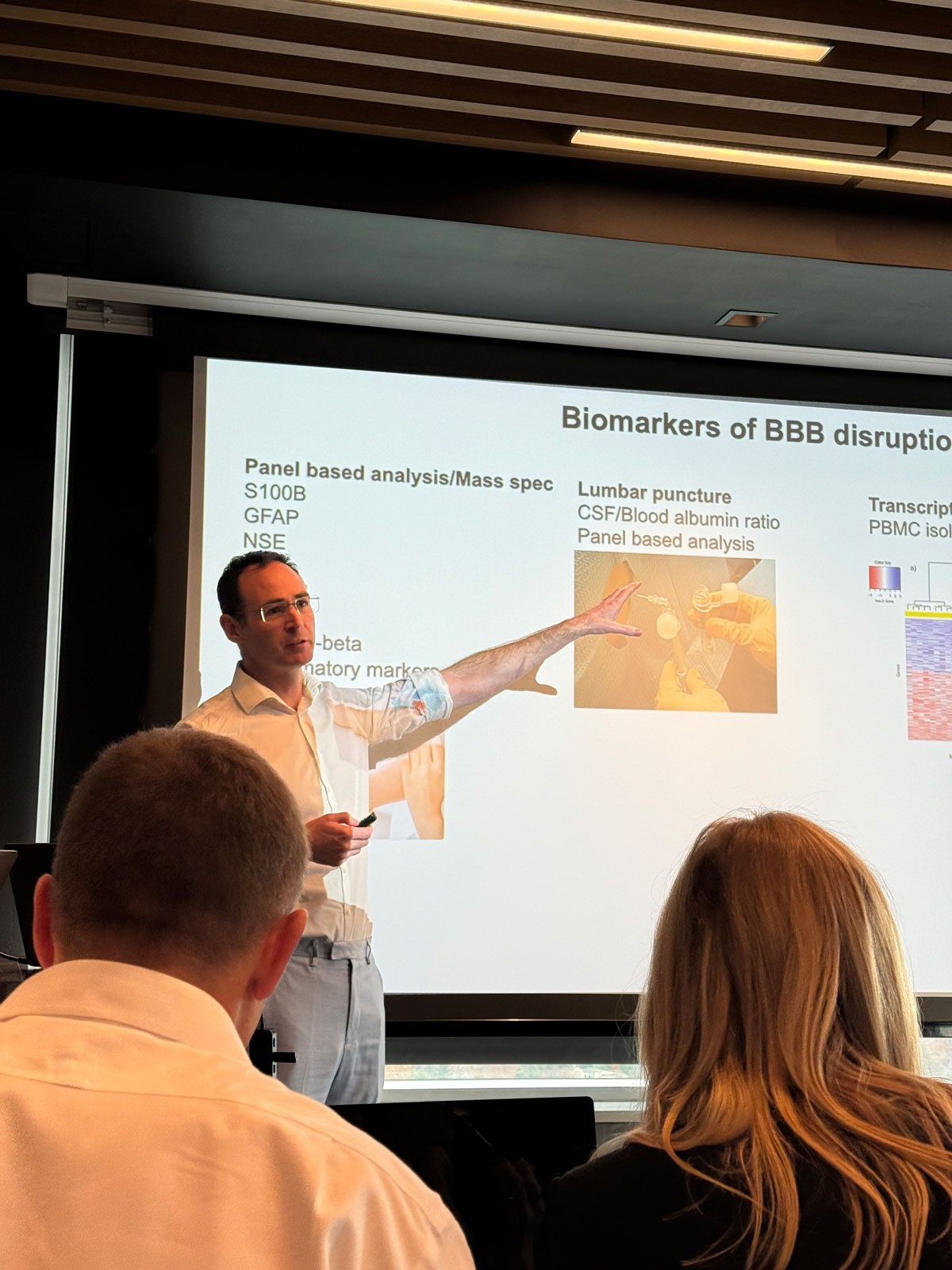
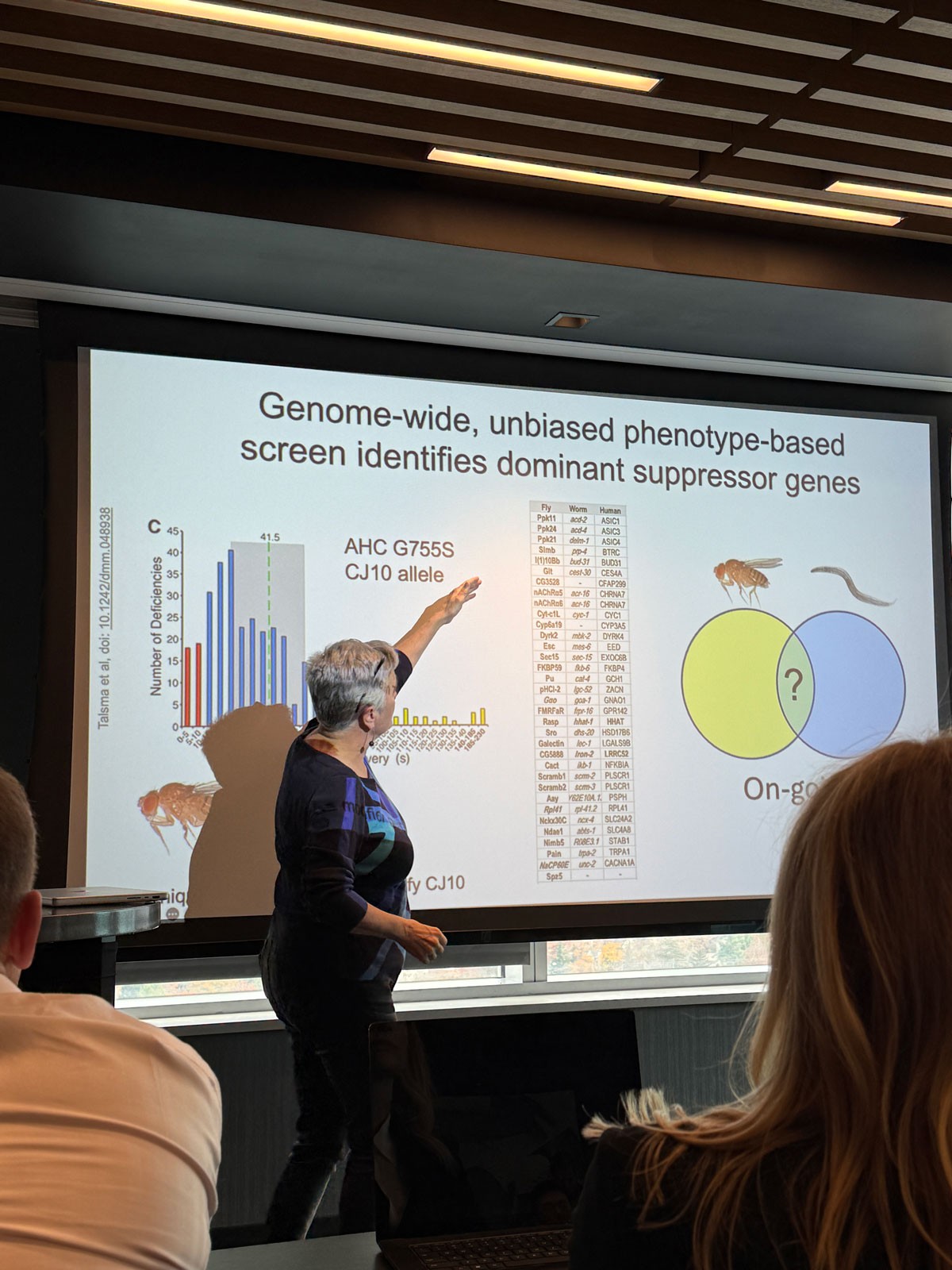
Day Two examined shared mechanisms across disorders in greater depth. Presentations addressed BBB tight-junction biology, spreading depolarization as both mechanism and potential therapeutic target, and the role of brainstem and spinal locomotor circuits in paroxysmal motor features. Investigators from NIH, JAX, Trinity College Dublin, Brown, Chicago, and Hiroshima University presented data from ongoing studies, with broad support for forming a coordinated working group to integrate analyses across model systems and patient samples.
Biomarker development — including EEG-based measures, wearable-derived data, blood-based markers, and extracellular vesicles — was discussed with attention to feasibility, reproducibility, and suitability for early-phase clinical trials. Participants also evaluated biosample collection strategies and the baseline measures necessary for different trial designs.
Collaboration, Momentum, and Next Steps
Dr. Tim Yu, of Boston Children’s Hospital, Harvard University, and the Broad Institute, described the meeting as “a wonderful gathering of brilliant, collegial clinicians and scientists driving forward important research.”
Dr. Marshall Summar, CEO of Uncommon Cures, echoed the sentiment: “What a wonderful and enlightening meeting on the science and clinical goals of AHC. Scientists from around the world interacted to make concrete progress on preparing for future clinical trials.”
Geneticist Dr. Erin Heinzen highlighted the unusually collaborative structure of the sessions, noting: “I have never attended such an interactive and productive meeting in all my time as a scientist.”
The meeting concluded with a clear set of pragmatic next steps — spanning model integration, biomarker development, and clinical-trial readiness — and renewed confidence in the collective momentum of the field.
By bringing together experts who study interconnected mechanisms across neurological disease, the RARE Hope + NIH Science Meeting reinforced the foundation needed to accelerate treatments for AHC and for the many disorders that share its underlying biology.
Participants included:
| Christelle Achkar, MD | Boston Children's Hospital / Harvard University |
| Yutaro Asami, MD, PhD | Boston Children's Hospital - Yu Lab |
| Matt Campbell, PhD | Trinity College Dublin |
| Al George, MD | Northwestern University |
| Anne Hart, PhD | Brown University |
| Yosuke Hashimoto, PhD | Hiroshima University |
| Erin Heinzen, PharmD, PhD | University of North Carolina at Chapel Hill |
| Miguel Holmgren, PhD | NIH |
| Cat Lutz, PhD, MBA | The Jackson Laboratory |
| Claudio Melo De Gusmao, MD, PhD | Harvard University / Massachusetts General Hospital |
| Gareth Miles, PhD | University of St. Andrews |
| Ganeshwaran Mochida, MD, MMSc, PhD | Boston Children's Hospital / Harvard University / Massachusetts General Hospital |
| Cristina Moreno, PhD | NIH - Holmgren Lab |
| Natalia Morsci, PhD | RARE Hope |
| Hendrik Rosewich, MD | University of Tübingen |
| Holt Sakai, PhD | The Broad Institute of MIT and Harvard - Liu Lab |
| Monica Sietam, PhD | NIH - Holmgren Lab |
| Aubrie Soucy, ALM | Boston Children's Hospital - Yu Lab |
| Alex Sousa, PhD | The Broad Institute of MIT and Harvard - Liu Lab |
| Marshall Summar, MD | Uncommon Cures |
| Kathleen Sweadner, PhD | Harvard University / Massachusetts General Hospital |
| Kathy Swoboda, MD | Massachusetts General Hospital / Harvard University (Ret.) |
| Markus Terrey, PhD | The Jackson Laboratory |
| Arn van den Maagdenberg, PhD | Leiden University |
| Winston Yan, MD, PhD | Broad Institute of MIT and Harvard; Arbor Biotechnologies; N=1C |
| Sho Yano, MD, PhD | University of Chicago |
| Timothy Yu, MD, PhD | Boston Children's Hospital / Harvard University / Broad Institute of MIT and Harvard / N=1C |